Cravings & setbacks
What should I do after a relapse?
After a relapse, the most important thing is what you do next, not the slip itself. Steady yourself, get honest about what led up to it, and take one sober action right away. Relapse is common in recovery from any chronic condition, and it does not erase the sober days you already earned. Treat it as information, plan for the trigger, and keep going.
A relapse feels like proof you failed. It is not. It is a hard, common part of recovery from a chronic condition, and your response to it matters far more than the slip.
Is relapse normal in recovery?
Yes. According to NIDA, 40 to 60 percent of people treated for substance use disorders relapse at some point, a rate similar to chronic illnesses like type 1 diabetes, hypertension, and asthma. NIDA is explicit that relapse does not mean treatment failed. It means recovery needs to be adjusted or resumed. That reframe matters, because shame is what turns one drink into a week of them.
What to do right after a relapse
- Stop the moment and change your setting. Leave, move, get somewhere safe.
- Tell one person. Breaking the secrecy takes away half its power.
- Get honest, not harsh. Ask what the days before were really like.
- Look at your real progress, the sober days you already stacked.
- Take one sober action now, however small, to restart the trend.
As addiction physician Steven Melemis wrote in the Yale Journal of Biology and Medicine (2015), relapse usually unfolds in three stages, emotional, mental, and then physical, long before the first drink. That means a slip is a signal to look upstream, at the stress and self-neglect that came first.
| What helps after a slip | What keeps you stuck |
|---|---|
| "This is data, what did it teach me" | "I ruined everything, so why bother" |
| Reaching out the same day | Hiding it and isolating |
| Planning for the specific trigger | Vowing to "just try harder" |
| Counting the days you did stay sober | Resetting yourself to zero |
Why your progress should not reset to zero
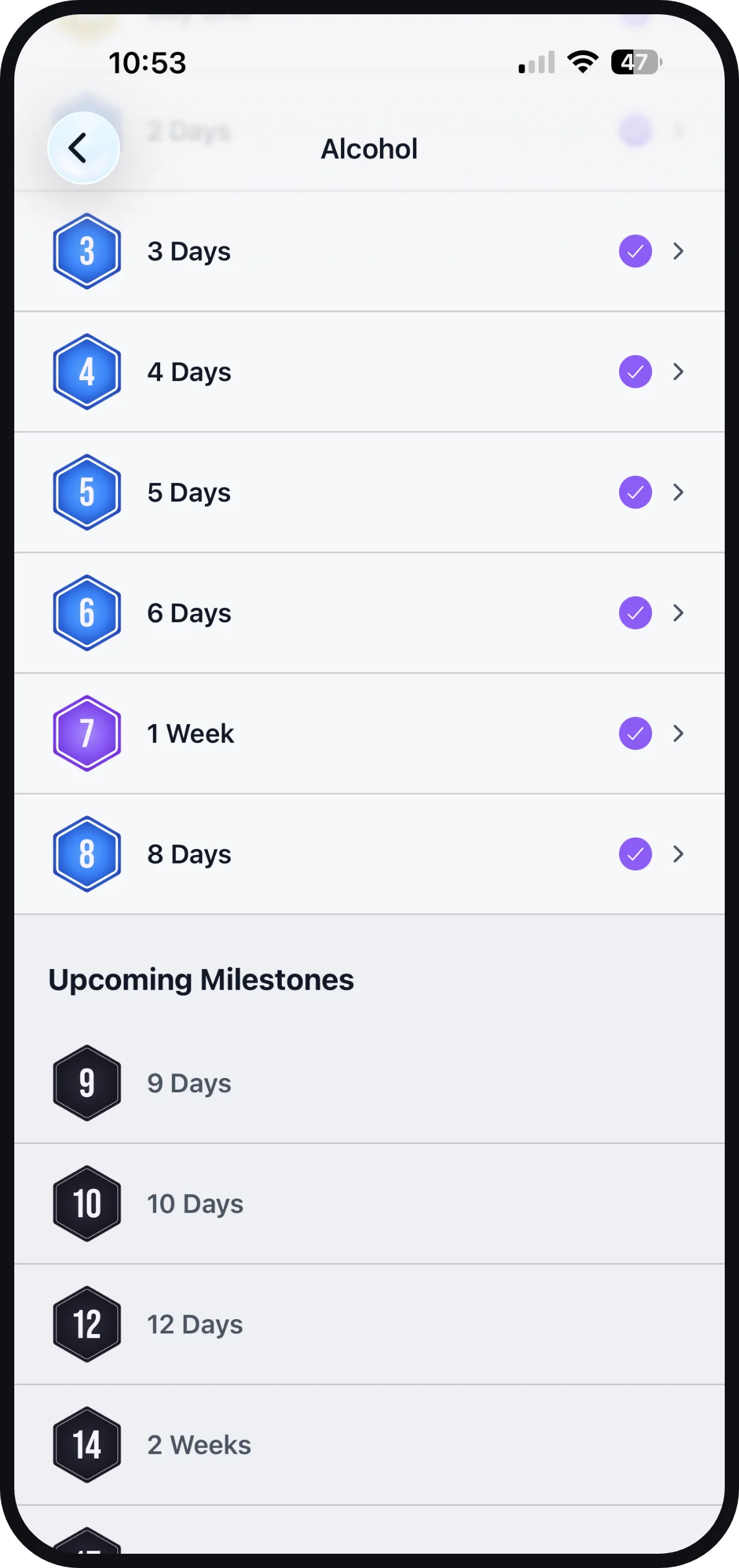
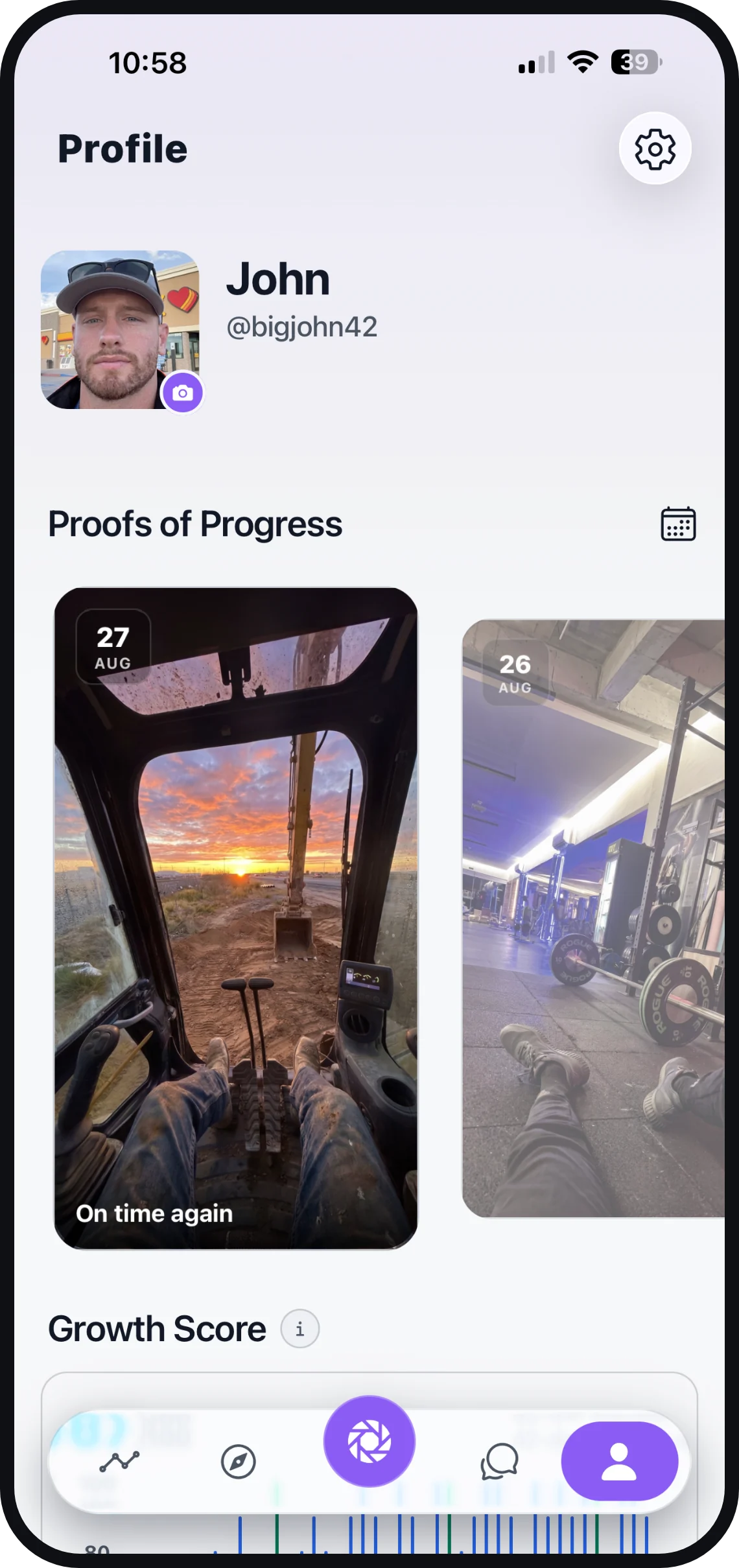
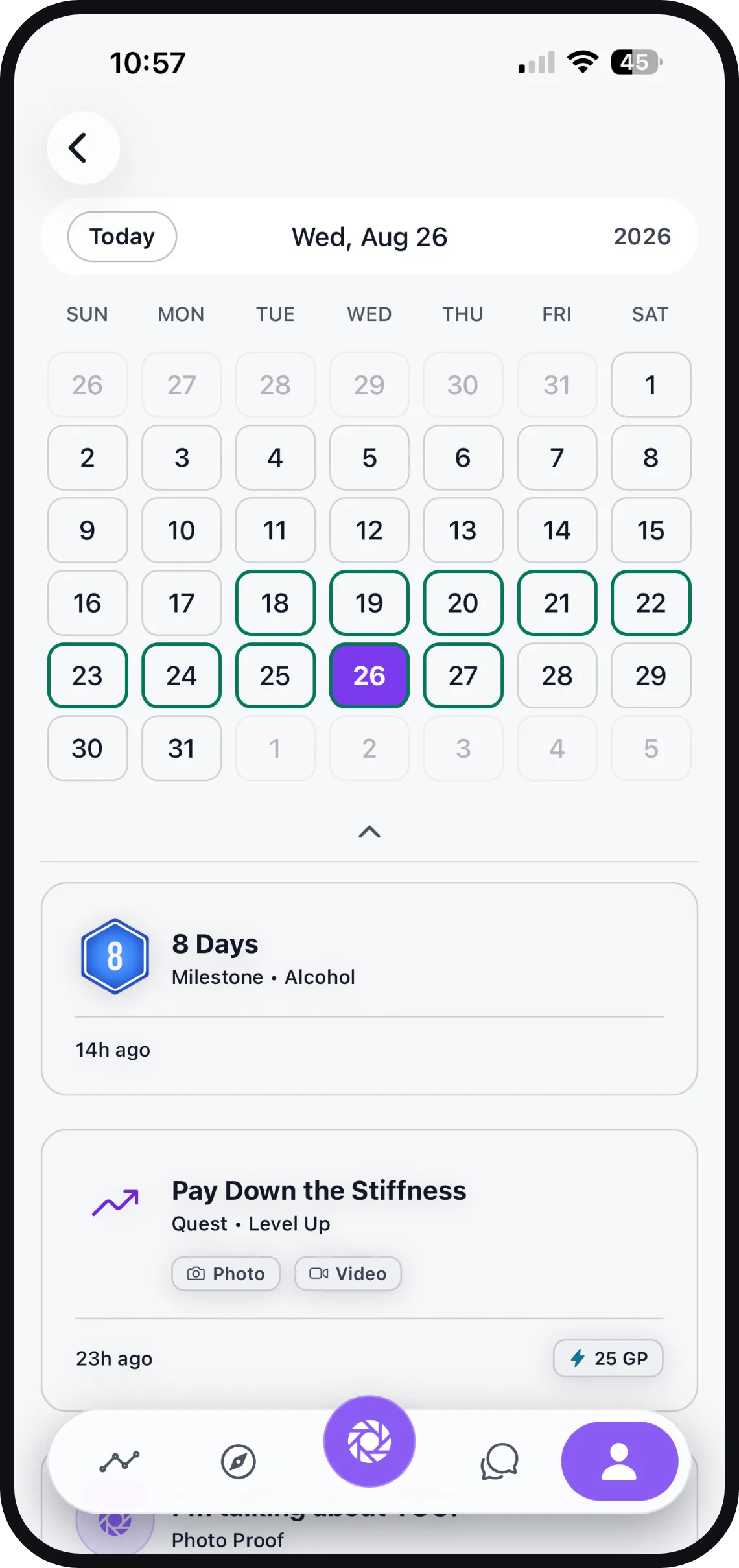
Here is where Door 24 is built differently: progress is proof. Your sober days are captured as Proofs on a dated timeline, and your Growth Score is a 42-day rolling average, so a slip bends the trend without deleting the work. Counters reset. People do not. A ledger of the days you showed up is exactly what you need to look at when a relapse tries to tell you none of it was real.
Pair this with how to get through cravings without relapsing and the most common relapse triggers. To reconnect with why you started, see how to rebuild your identity in recovery.
Sources
- National Institute on Drug Abuse (NIDA), "Treatment and Recovery," Drugs, Brains, and Behavior: The Science of Addiction, 2020.
- Melemis, S. M., "Relapse Prevention and the Five Rules of Recovery," Yale Journal of Biology and Medicine, 2015.
Frequently asked
Does a relapse mean I have to start over?
No. A slip is one data point, not a reset to zero. The sober days you built still happened and still count. What matters most is returning to recovery quickly and learning from what led up to the slip.
Why did I relapse when I was doing well?
Relapse usually starts long before the drink, often as emotional and mental strain that builds unnoticed. Common precursors include stress and being hungry, angry, lonely, or tired. Spotting the earlier stages is how you prevent the next one.
How common is relapse in recovery?
Common. Research summarized by NIDA puts relapse rates for substance use disorders at roughly 40 to 60 percent, similar to other chronic conditions like diabetes and hypertension. It is part of the process for many people, not a personal failure.