The science of recovery
How long does the brain take to recover from alcohol?
The brain begins recovering from alcohol within weeks, and most of the measurable gains come in the first month, with repair continuing for at least seven months and often longer. Recovery is uneven: frontal regions rebound early, some functions take longer, and after heavy drinking the repair can be partial. The pattern is clear, though: the longer you stay sober, the more your brain rebuilds.
"How long until my brain is back to normal" is one of the most common questions in early recovery. The honest answer is that repair starts fast, continues for months, and depends on your history.
How long does the brain take to recover from alcohol?
Most of the measurable recovery is early. In a longitudinal MRI study led by Timothy Durazzo, published in Addiction Biology (2015), participants were imaged at roughly one week, one month, and seven months of abstinence. Gray matter volume rose significantly across frontal, parietal, and occipital regions, and 58 percent of that cortical recovery occurred within the first month. In other words, the first 30 days do a lot of heavy lifting, and the gains keep coming after that.
Does the brain fully heal?
Often substantially, sometimes not completely. The same body of research shows that people recovering from long, heavy drinking can still have somewhat lower brain volume than people never affected by alcohol, even after months of abstinence. So the realistic picture is major, meaningful repair, especially early, with the degree of full recovery depending on how long and how heavily someone drank.
| Recovery marker | Rough timing |
|---|---|
| Acute withdrawal settles | First 1 to 2 weeks |
| Bulk of cortical gray matter recovery | First month |
| Continued frontal, parietal, occipital gains | Through ~7 months |
| Fuller cognitive recovery | Months and beyond, varies by person |
Give your invisible progress a record
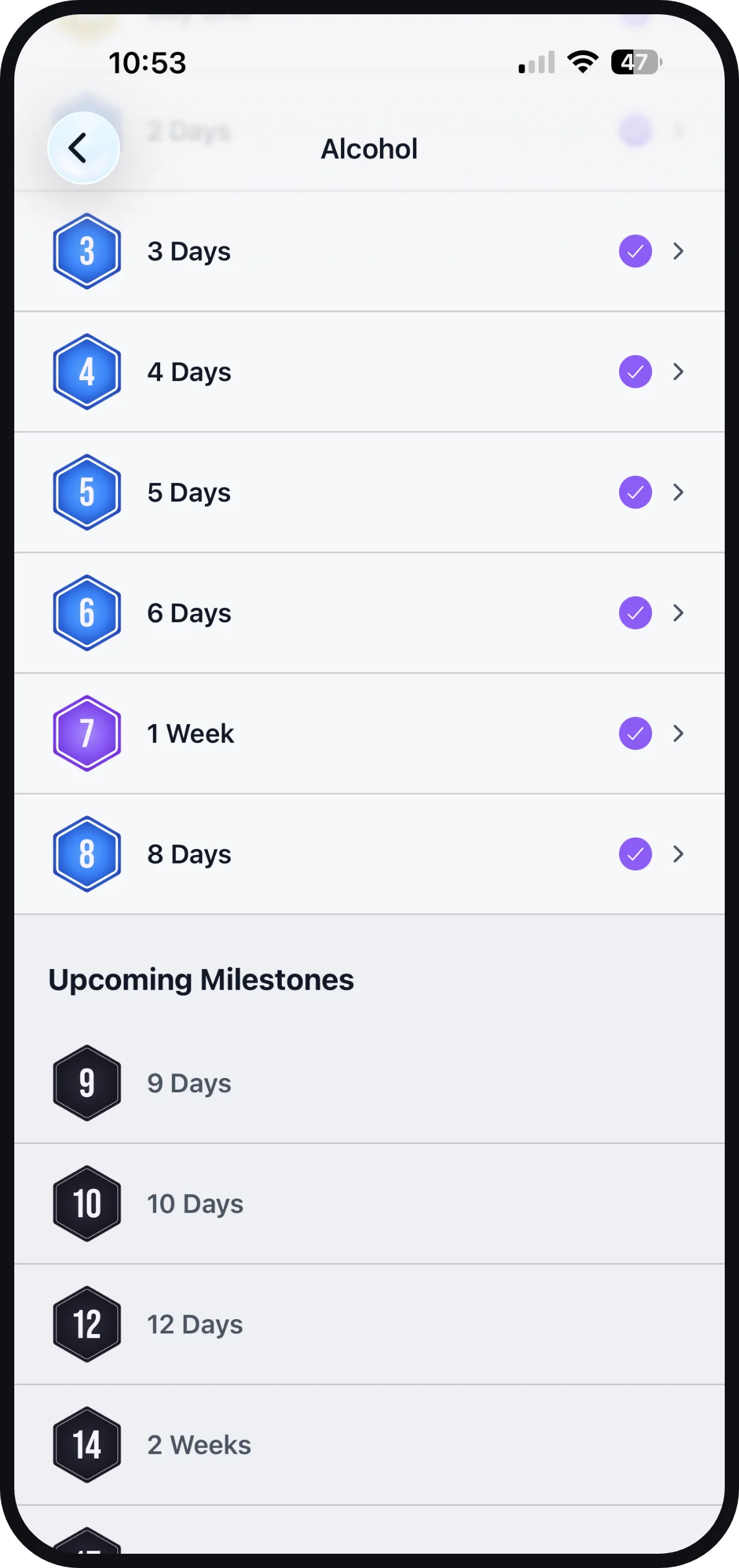
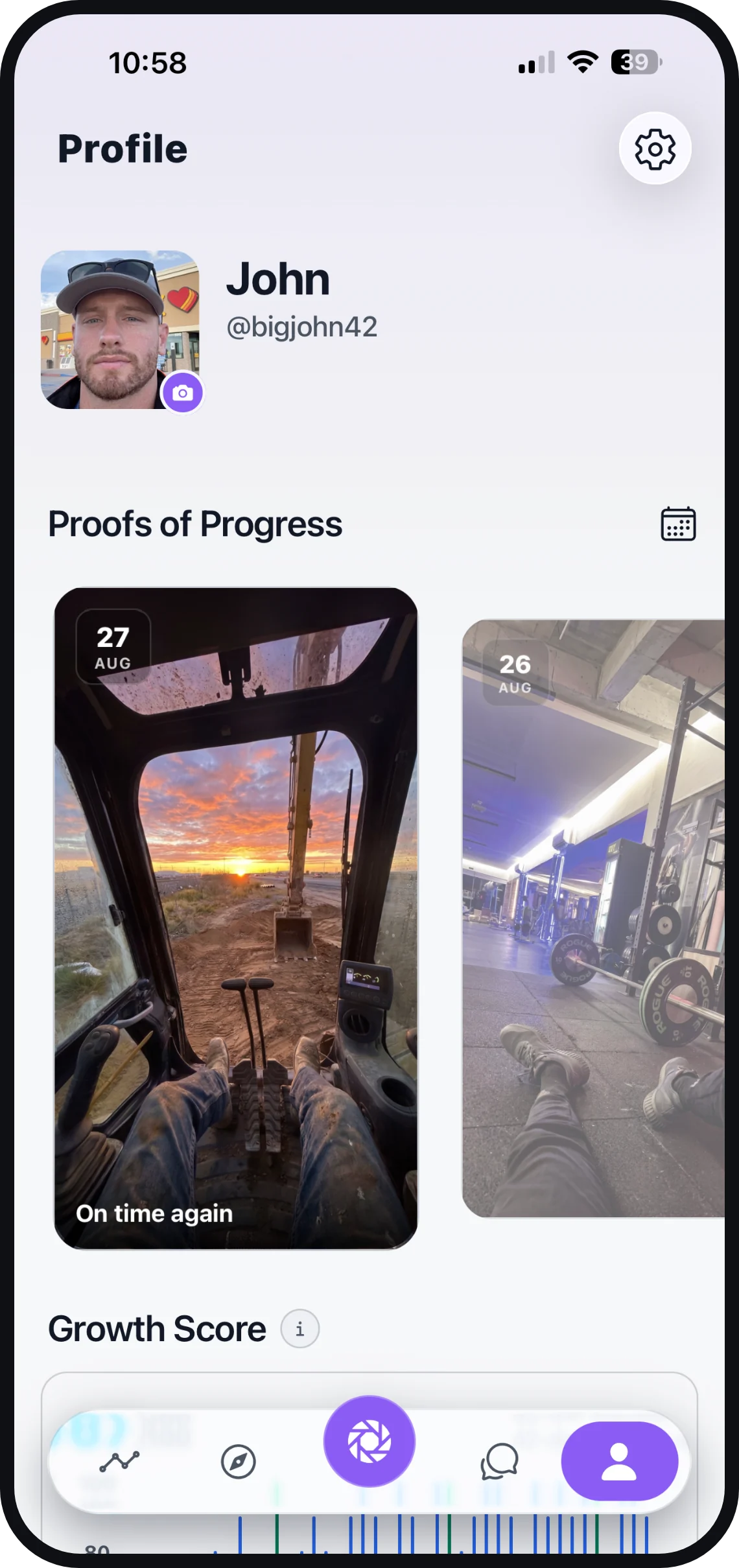
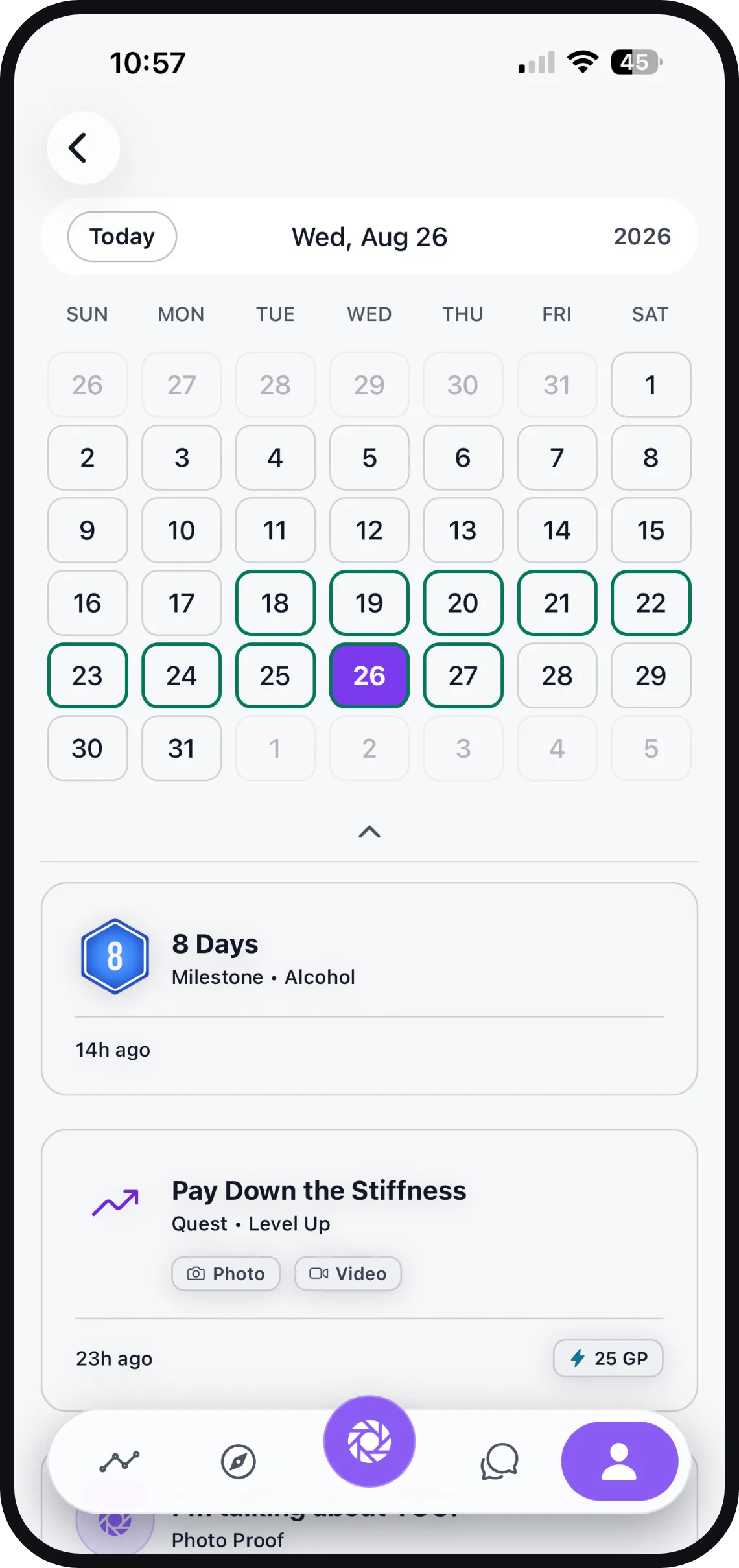
Brain recovery is real but you cannot feel it happening day to day, which is why early sobriety can feel thankless. This is where Door 24 is built differently: progress is proof. You capture Proofs on a dated timeline, so the slow repair inside gets an external record outside. Your Growth Score reflects consistency as a 42-day rolling average, turning a months-long biological process into a trend you can actually watch. The point is not to count the days. It is to make them count.
Continue with what happens to your brain when you get sober and what happens to your body when you stop drinking. If you are just beginning, read the first 30 days of sobriety.
Sources
- Durazzo, T. C., et al., "Non-linear regional gray matter volume recovery in abstinent alcohol-dependent individuals," Addiction Biology, 2015.
Frequently asked
How long does it take for the brain to heal after quitting alcohol?
Measurable recovery begins within weeks. In one longitudinal MRI study, most cortical gray matter recovery happened in the first month, with gains continuing over about seven months. Fuller cognitive recovery can take longer and varies by person.
Does the brain fully recover from alcohol?
It depends on drinking history. Studies show substantial recovery with abstinence, but people with long, heavy use may still have somewhat lower brain volume than those never affected. The trend is toward repair, even if it is not always complete.
What improves first when the brain recovers?
Frontal regions, which handle focus, planning, and impulse control, tend to recover volume earliest. That often shows up as clearer thinking and better concentration within the first month or two.